Choosing the Right Dance Shoes
Why your feet matter more than you think
When people start dancing, shoes are usually an afterthought. Cute outfit? Check. Song playlist? Check. Shoes? “These should be fine.”
And then the spins arrive… followed by knee complaints, stuck feet, or that unmistakable skrrk sound on a wood floor.
Let’s save your knees and your confidence.
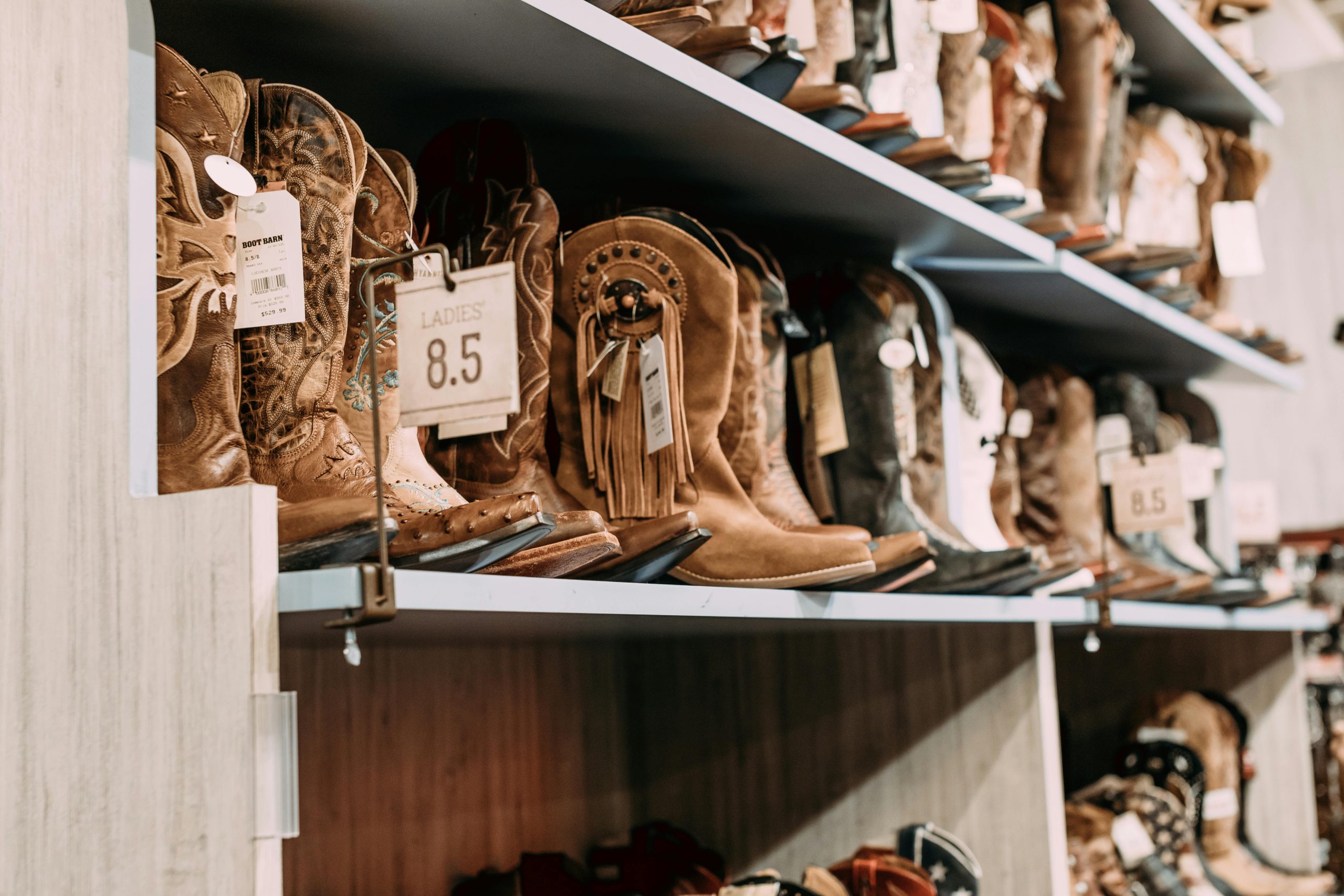
Why leather-bottom boots are the gold standard
If you dance on a wood floor, leather soles are king. Leather allows your foot to rotate smoothly, which is crucial for spins, turns, and transitions. Instead of your foot sticking while your body keeps moving, the leather glides just enough to protect your knees and ankles.
Tennis shoes, on the other hand, are built for traction. Great for running. Terrible for spinning. When your foot won’t rotate, the torque goes straight into your knee. Over time, that adds up to pain or injury.
Leather-bottom boots also give you the best of both worlds during spins.
You spin on the toe and stop with the rubber heel. That heel gives you control, balance, and a clean finish instead of an accidental extra rotation or wobble. Smooth when you want it. Stable when you need it.
Toe shape: preference, not performance
This is one of the most common questions I get, and the answer surprises people.
Toe shape doesn’t matter much for dancing.
What does matter is how you move. I personally love a snip toe because bulkier toes trip me up. Others with wider feet feel more stable and comfortable in a square toe. Neither is “better,” just different.
If you’re unsure, try:
- Borrowing a friend’s boots for a song or two
- Asking dancers with similar foot shapes what they prefer
- Paying attention to how often you clip your toes or feel off-balance
Comfort and confidence always win.
Fuego dance shoes: a modern alternative
Not everyone loves western boots, even while enjoying western dance culture (which, yes, is a little ironic).
That’s where Fuego dance shoes come in. They look like:
- Tennis shoes
- High tops
- Traditional dance shoes
But they’re designed with special soles that allow spinning while staying cushioned and comfortable. They’re a great option if:
- You want more padding
- You dance for long hours
- Boots just aren’t your style
- You’re transitioning from sneakers into dance footwear
They give you mobility without locking your feet to the floor.
Slips, soles, and creative solutions
If new shoes aren’t in the budget right now, you still have options.
- Shoe slips can go over tennis shoes to help them slide
- A local cobbler can re-sole shoes with suede or leather
- Some dancers keep “dance-only” shoes to preserve the sole and consistency
The goal is always the same: controlled rotation without gripping the floor.
A few things people don’t think about (but should)
- Too slippery is also a problem. You want glide, not ice skating
- Dedicated dance shoes matter. Outdoor wear ruins indoor soles fast
- Break-in time is normal. Leather soles improve as they soften
- Pain is feedback. If your knees or hips hurt, your shoes may be the culprit
Final thoughts from Tyanna
Your shoes are part of your technique. The right pair makes learning easier, spinning smoother, and dancing safer. Leather-bottom boots are my top recommendation, but the best shoe is ultimately the one that lets you move freely, comfortably, and confidently.
If you’re unsure, ask. Try things. Watch what experienced dancers wear and why. Your feet will thank you, and so will your knees.
Happy spinning